

If you spend time on Instagram or TikTok, you’ve probably seen videos where Chinese sellers show products priced at just $0.20 or $0.30 per piece. Things like beauty tools, mobile accessories, kitchen gadgets, or fashion items are sold in bulk at incredibly low prices.
What surprises most people is that many Indian sellers are already buying these products in bulk from China and reselling them locally for 5–10 times the original price.
This article explains how the business actually works, where these products come from, and how much investment is required to start.
Why Chinese Products Are So Cheap
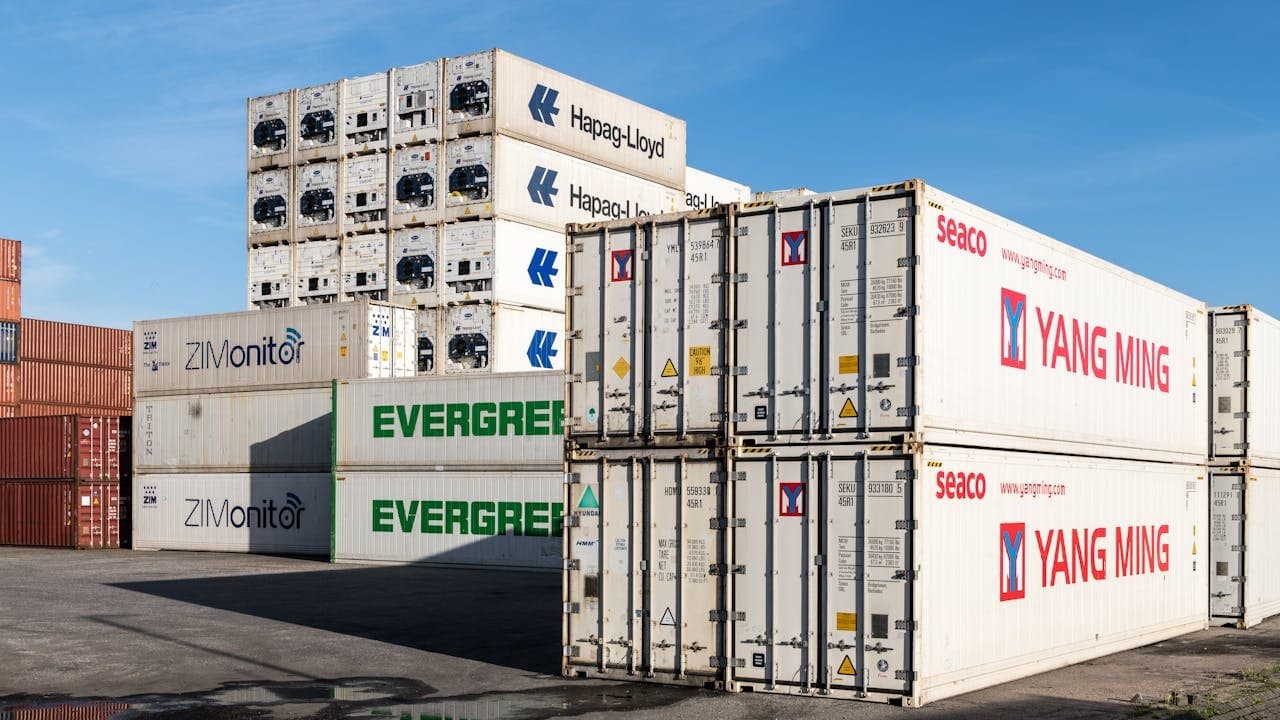
China is known as the manufacturing hub of the world. Cities like Guangzhou, Shenzhen, and Yiwu have thousands of factories producing small consumer goods in massive quantities.
Because of this:
- Production cost becomes extremely low
- Factories sell directly to wholesalers
- Bulk orders reduce prices further
For example:
| Product | Factory Price | Selling Price in India |
|---|---|---|
| Hair clips | ₹8 – ₹12 | ₹60 – ₹120 |
| Mobile stands | ₹15 – ₹25 | ₹120 – ₹250 |
| Kitchen gadgets | ₹20 – ₹40 | ₹150 – ₹350 |
This difference in price creates the profit opportunity for importers and resellers.

Where These Cheap Products Are Sourced
Most Indian sellers buy from three major Chinese platforms.
1. Alibaba
Alibaba is the most popular international B2B marketplace where factories sell products in bulk.
It is beginner-friendly because:
- Suppliers communicate in English
- Shipping options are available
- Payment protection exists
However, prices are slightly higher compared to domestic Chinese platforms.
2. 1688
1688 is a Chinese domestic wholesale website owned by Alibaba Group.
This platform offers the lowest prices, but there are challenges:
- The website is in Chinese
- Most suppliers speak only Chinese
- International shipping is not always available
Because of this, many importers use freight forwarding agents to purchase from 1688.
3. AliExpress (for testing products)
AliExpress allows smaller orders and single pieces.
It is useful for:
- Testing products
- Checking product quality
But it is not ideal for serious business because prices are higher.
How Indian Sellers Actually Run This Business
There are three common models used in India.
Bulk Import and Reselling
This is the most common method.
The process usually works like this:
- A seller finds a product on Alibaba or 1688
- They place a bulk order (usually 100–500 pieces)
- The goods are shipped to India
- Products are sold through online marketplaces or social media
Typical selling platforms include:
- WhatsApp groups
- Meesho
- Amazon
- Flipkart
- Local wholesale markets
Cities like Delhi, Mumbai, and Kolkata have many traders who already run this business.
Dropshipping
In dropshipping, the seller does not keep stock.
Instead:
- A customer places an order online
- The supplier ships directly to the customer
This requires very little investment but has problems:
- Long shipping times (10–20 days)
- High return rates
- Customer trust issues
For beginners in India, dropshipping is often difficult to scale.
Import and Branding
The most profitable model is importing products and selling them under your own brand.
In this method:
- Products are imported in bulk
- Custom packaging or branding is added
- Products are sold at higher prices
Many successful Indian ecommerce brands started exactly this way.
Step-by-Step Guide to Starting This Business
Step 1: Choose the Right Product Category
Successful sellers usually focus on categories with high demand, such as:
- Women’s fashion accessories
- Mobile accessories
- Home improvement gadgets
- Beauty tools
- Kitchen products
These products are inexpensive and sell quickly online.
Step 2: Check Market Demand
Before ordering products, it is important to validate demand.
Search for similar products on:
- Amazon
- Flipkart
- Meesho
Check the following:
- Selling price
- Number of reviews
- Customer feedback
If a product already has many sales, it means the market demand exists.
Step 3: Contact a Supplier
When contacting a Chinese supplier, ask for:
- Minimum Order Quantity (MOQ)
- Product price
- Shipping cost
- Estimated delivery time
- Sample availability
Many factories are willing to negotiate prices for larger orders.
Step 4: Importing the Products
There are two common shipping methods.
Air Shipping
This is faster and easier for beginners.
Delivery usually takes 7–12 days, but shipping costs are higher.
Freight Forwarding
Freight forwarders combine shipments from multiple buyers and send them together.
This reduces shipping costs significantly but requires more coordination.
Step 5: Selling in India
Once the products arrive, you can start selling through:
- Instagram reels
- WhatsApp groups
- Meesho marketplace
- Amazon or Flipkart
- Local wholesale shops
Short video demonstrations help products go viral and attract customers.
How Much Investment Is Needed
The amount required depends on how serious you want to start.
Small Test Investment
₹8,000 – ₹15,000
You can import 50–100 pieces and test demand using social media.
Beginner Level
₹20,000 – ₹50,000
This allows you to import multiple products and create better profit margins.
Serious Business Setup
₹80,000 – ₹2,00,000
At this level, you can import larger quantities and build your own brand.
Example Profit Calculation
Let’s consider a simple example.
Product cost in China: ₹15
Shipping and import duty: ₹10
Total cost per piece: ₹25
Selling price in India: ₹120
Profit per piece: ₹95
Selling just 200 pieces could generate nearly ₹19,000 profit.
Important Things Beginners Should Know
Import Duty
India charges customs duty and GST on imported products.
This can increase the final cost by 20–40 percent.
Product Selection Matters
Not every cheap product sells well. The key to success is choosing products that solve a small problem or look visually attractive.
Content Marketing Drives Sales
Most viral products sell because of short demonstration videos.
Videos that show:
- Problem and solution
- Before and after results
- Satisfying product use
can quickly generate attention and orders.
Final Thoughts
Importing products from China and reselling them in India is not a new idea, but the internet has made it easier than ever.
With the rise of platforms like Instagram, Meesho, and online marketplaces, even small sellers can start with a limited budget and grow over time.
However, success depends on three key factors:
- Choosing the right products
- Understanding the market demand
- Creating engaging content to promote them
For anyone willing to learn and experiment, this business model can become a profitable opportunity.









Responses (0 )